
Over $12,000 MORE in their pocket!!! These sellers used Don Anthony Realty’s Discount Realtor program to sell a townhouse in Cary, NC and it’s now SOLD! Congratulations to our clients!
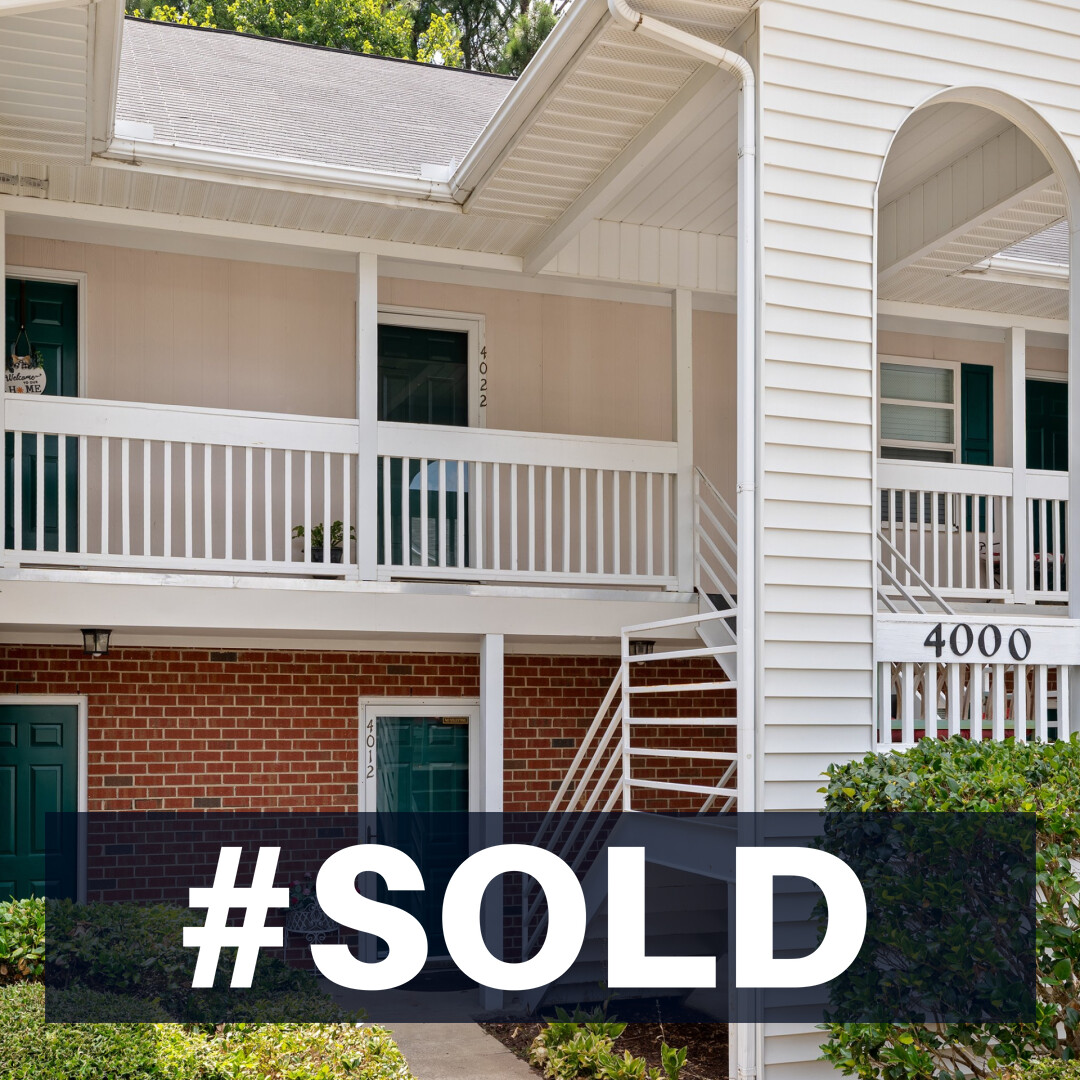
Over $12,000 MORE in their pocket!!! These sellers used Don Anthony Realty’s Discount Realtor program to sell a townhouse in Cary, NC and it’s now SOLD! Congratulations to our clients!
Filed under Sold
Great to get this review from a client who hired us to sell a home in Charlotte, NC with a low real estate commission and our discount Realtor service….
"I am so pleased with the service I received from Don Anthony Realty! They exceeded all of my expectations in every area and I would highly recommend them for your real estate transaction, I’m sure that you will be highly satisfied!"
Filed under Reviews
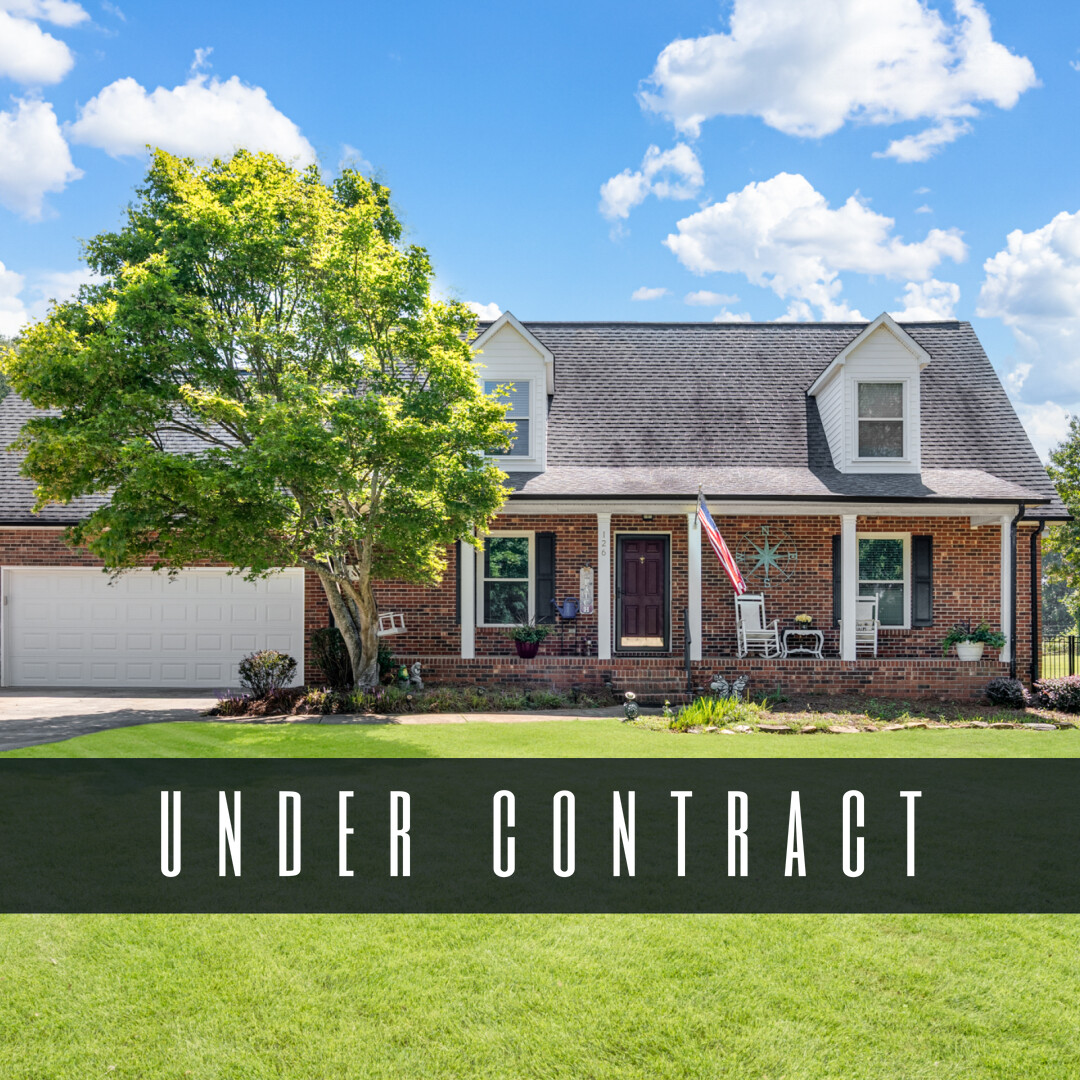
Want to sell a house in Gastonia, NC with low commission like this Don Anthony Realty client? It’s now Under Contract!
Filed under Under Contract
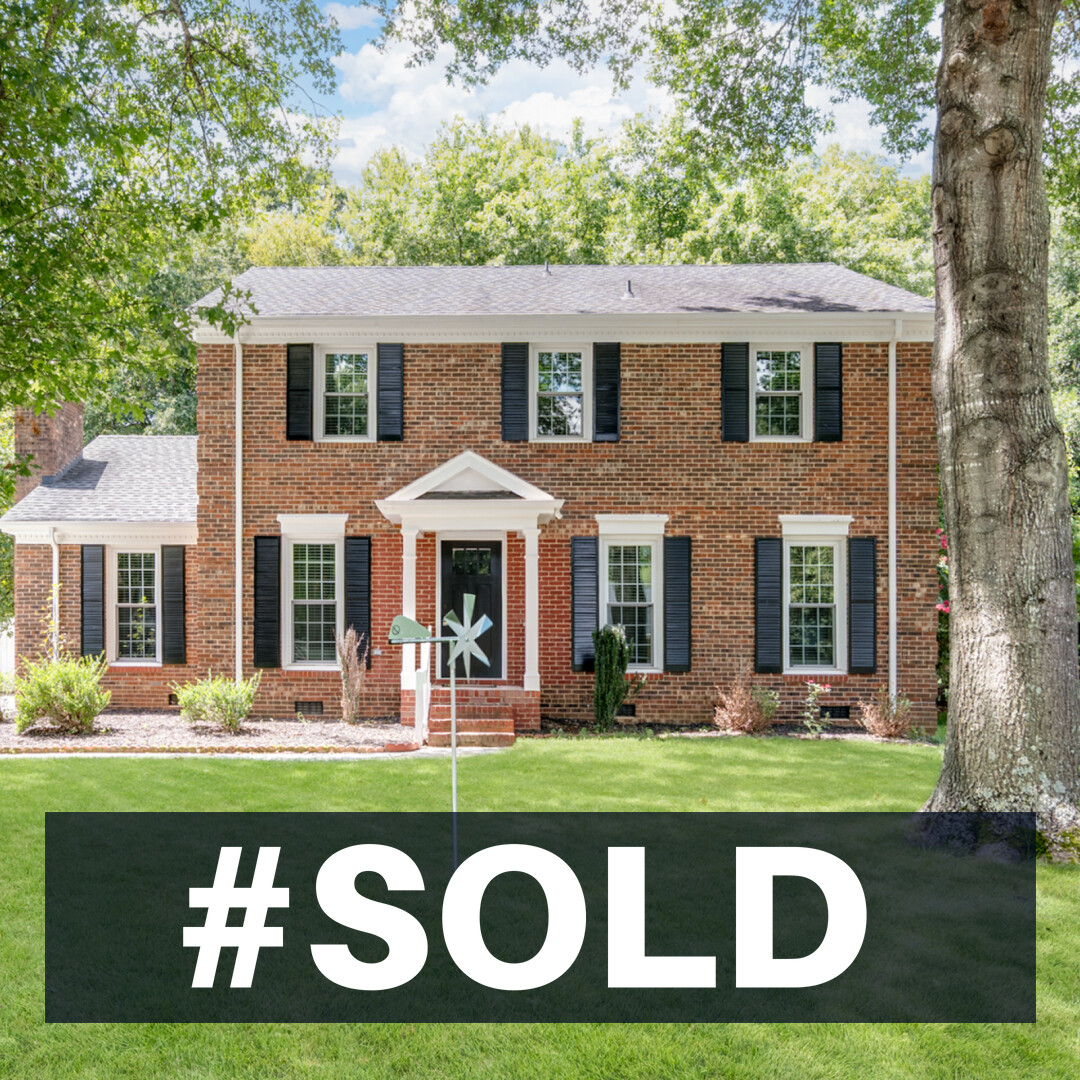
Over $11,300 MORE in their pocket!!! These sellers used Don Anthony Realty’s Discount Realtor program to sell a house in Charlotte, NC and it’s now SOLD! Congratulations to our clients!
our
Filed under Sold

Many experts expected rates to fall. Instead, they’ve stayed higher. Here’s why that may not be the question buyers should be asking.
One of the most common questions homebuyers are asking today is, "Are mortgage rates going up or down?" It’s an understandable concern because mortgage rates directly affect monthly payments and purchasing power. Many buyers have delayed purchasing in hopes that rates would decline significantly.
The reality is that mortgage rates have been much more stubborn than economists anticipated.
Throughout 2025 and into 2026, many respected housing economists and mortgage analysts projected that rates would gradually move lower as inflation cooled and economic conditions improved. Instead, persistent inflation, global events, and ongoing uncertainty in the bond market have kept mortgage rates higher than expected. Several major forecasters have revised their outlooks upward as the year has progressed, acknowledging that the path to lower rates has taken longer than anticipated.
While no one knows exactly where mortgage rates will be six or twelve months from now, one important lesson has become clear: trying to time interest rates is extremely difficult. Even the experts, with access to far more economic data than the average consumer, have repeatedly had to adjust their forecasts.
That raises a better question than "Should I wait for lower rates?"
Instead, ask, "Can I comfortably afford the home I want at today’s payment?"
If the answer is yes, purchasing today allows you to begin building equity immediately. Every mortgage payment gradually increases your ownership in the property, and if home values continue to appreciate over time, your equity can grow from two directions: paying down the loan and rising property values.
If rates eventually decline, homeowners have another advantage that renters don’t; they may have the opportunity to refinance into a lower interest rate. Refinancing can reduce the monthly payment while allowing the homeowner to keep the appreciation and equity they’ve already accumulated. Waiting, on the other hand, means postponing those opportunities while continuing to rent or delaying the benefits of ownership.
History has shown that interest rates move in cycles. While many buyers continue hoping for rates in the 5% range again, today’s economic environment suggests that mortgage rates above 7% may represent the new normal for the foreseeable future. That doesn’t mean homeownership is no longer a good investment. It simply means buyers should evaluate homes based on affordability rather than trying to predict where rates will be next month.
The best time to buy isn’t necessarily when rates are at their lowest. It’s when you’re financially prepared, the payment comfortably fits your budget, and the home supports your long-term goals. If rates fall later, refinancing may become an option. If they don’t, you’ll still have spent that time building equity instead of waiting on the sidelines.
No one, not economists, lenders, or financial markets, can consistently predict where mortgage rates will go next. But if you can comfortably afford today’s payment, you’ll begin building wealth through homeownership now, with the flexibility to refinance if lower rates become available in the future.
Filed under Uncategorized
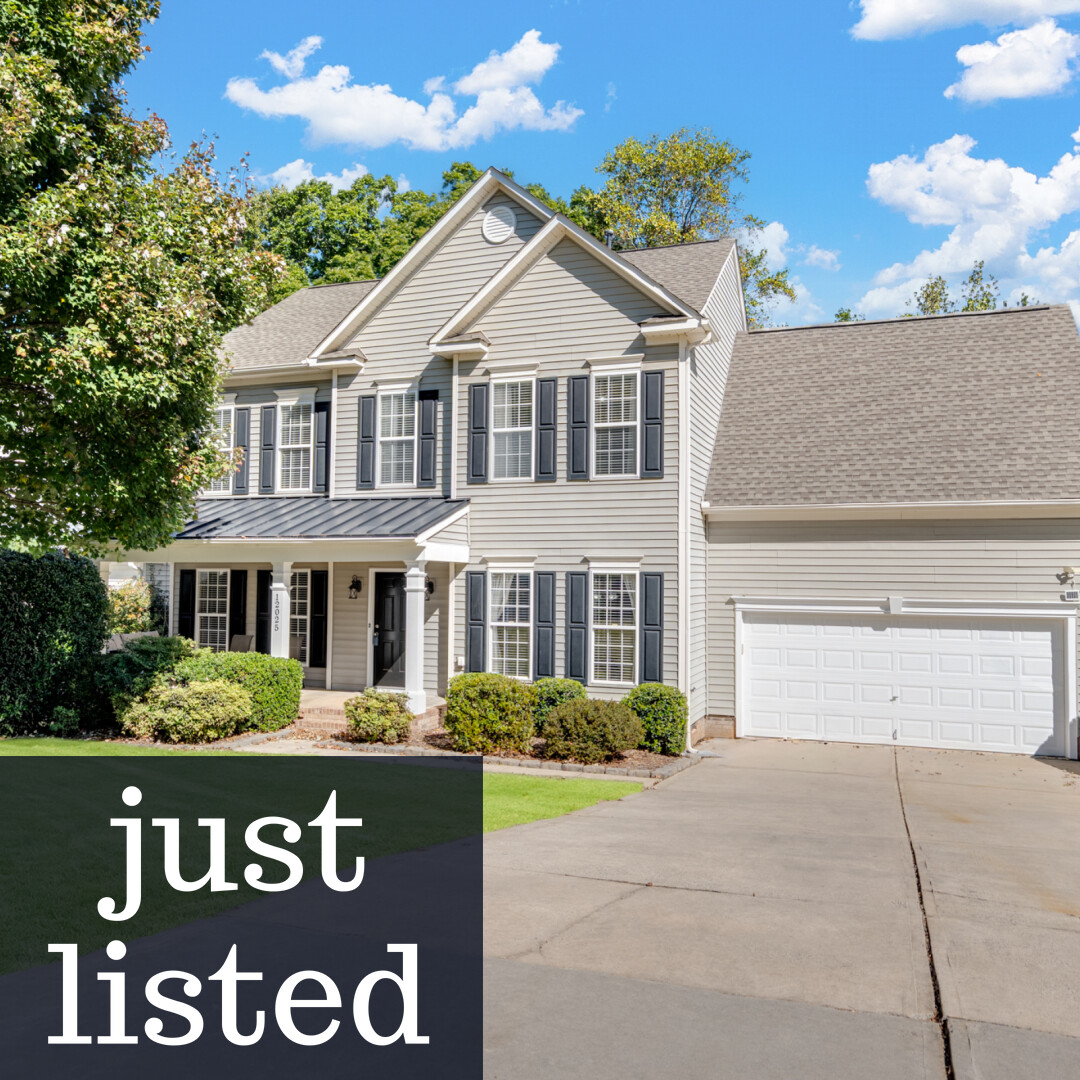
Just Listed! Check out this Don Anthony Realty 4 bed, 2.5 bath house for sale in Charlotte, NC in Cardinal Woods!
Click the link below for pictures and property details…
12025 Harmon Lane, Charlotte, NC 28134
Filed under Just Listed
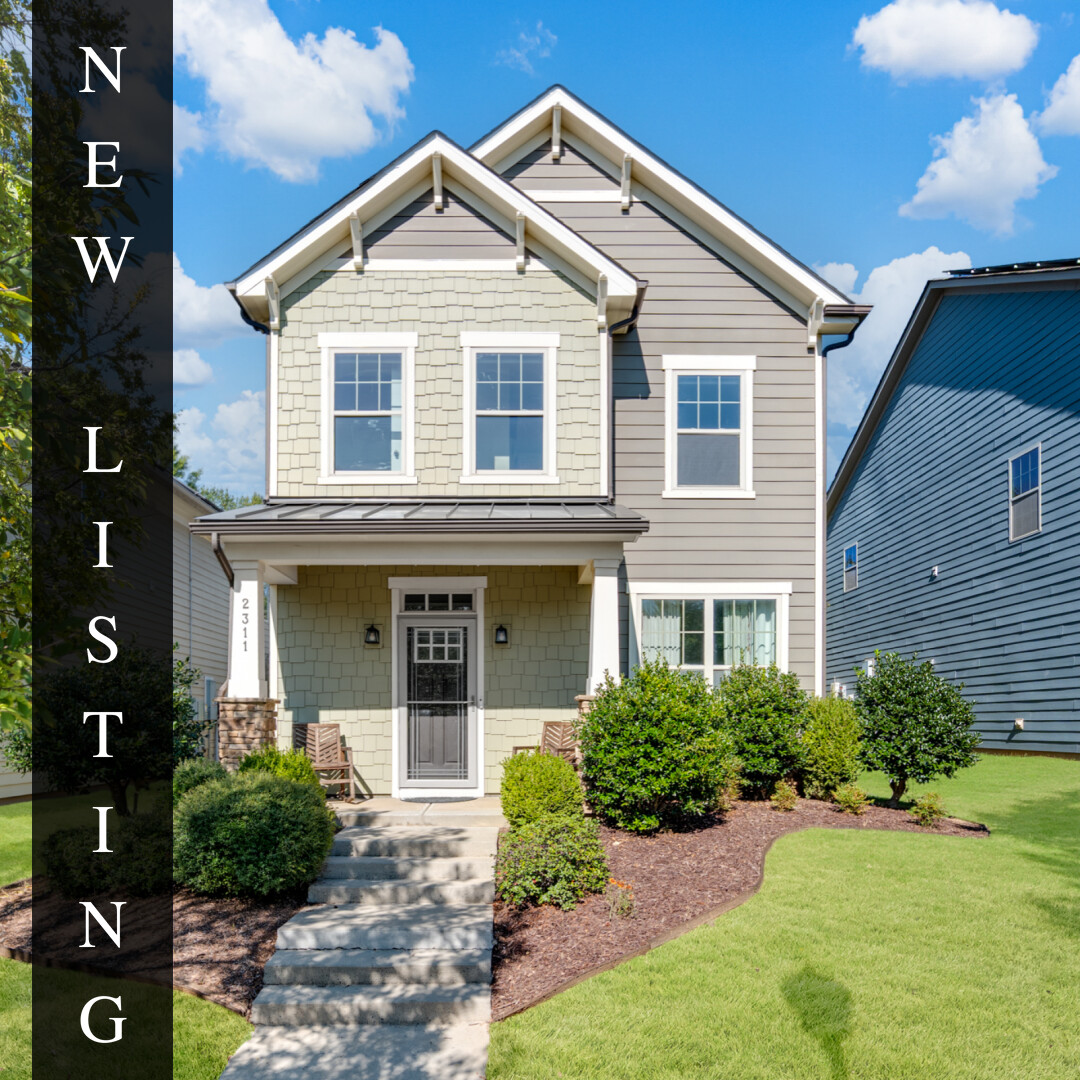
Just Listed! Check out this Don Anthony Realty 3 Bed, 2.5 bath house for sale in Charlotte, NC in Brightwalk!
Click the link below for pictures and property details…
2311 Woodward Avenue, Charlotte, NC 28206
Filed under Just Listed
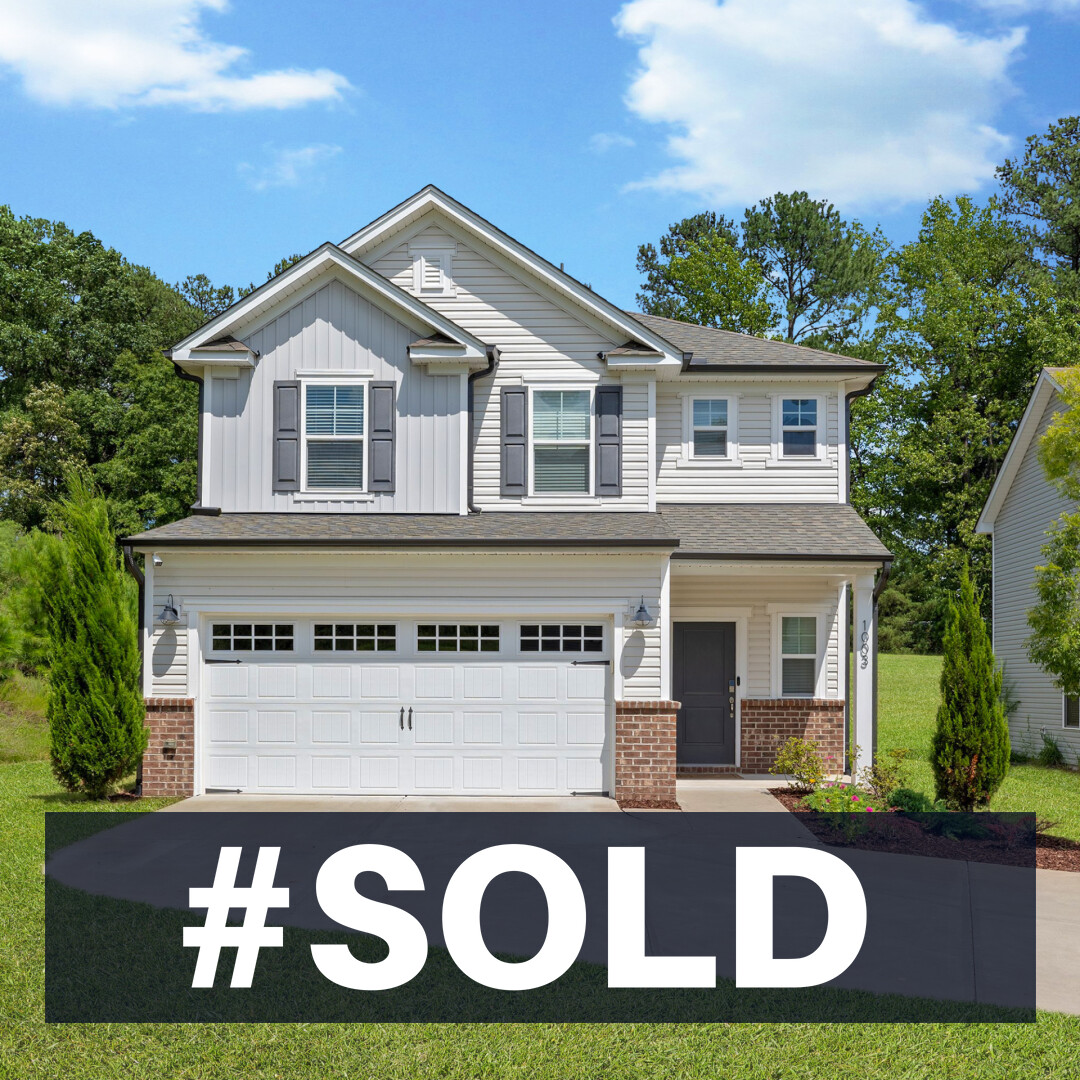
Over $7,600 MORE in their pocket!!! These sellers used Don Anthony Realty’s Discount Realtor program to sell a house in Durham, NC and it’s now SOLD! Congratulations to our clients!
Filed under Sold
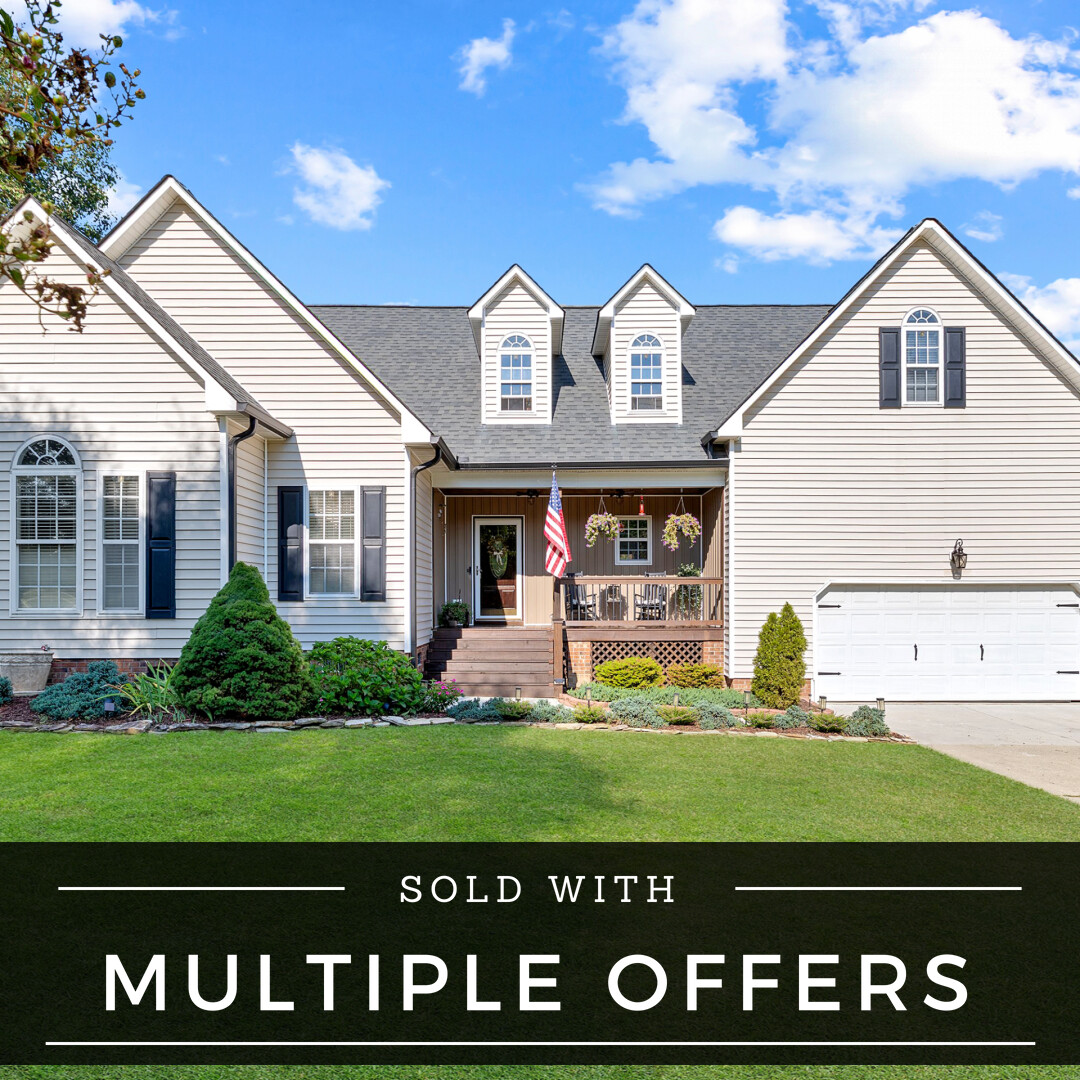
Over $11,700 MORE in their pocket!!! These sellers used Don Anthony Realty’s Discount Realtor program to sell a house in Clayton, NC and it’s now SOLD! Congratulations to our clients!
Filed under Sold
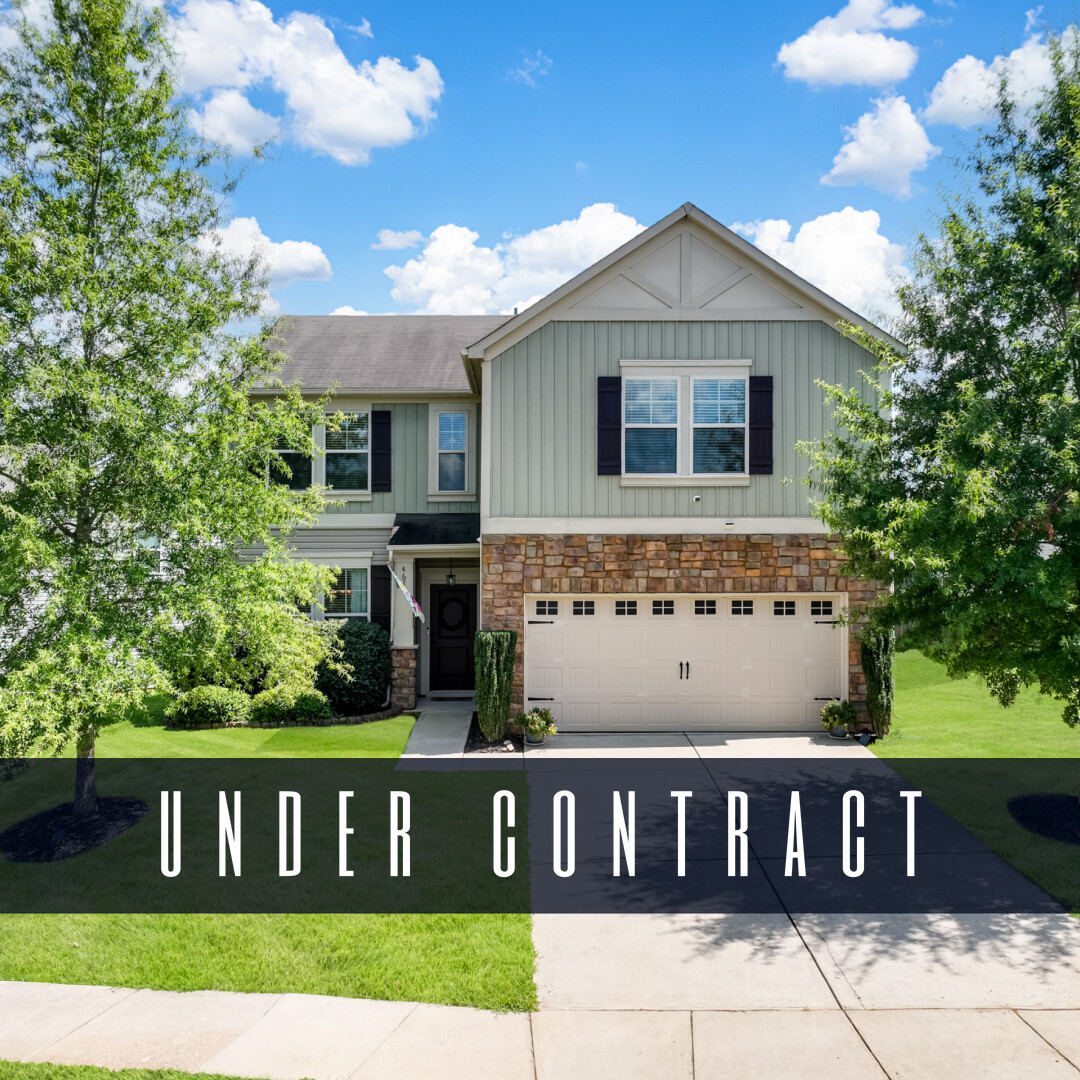
Want to sell a house in Charlotte, NC with low commission like this Don Anthony Realty client? It’s now Under Contract!
Filed under Under Contract

