
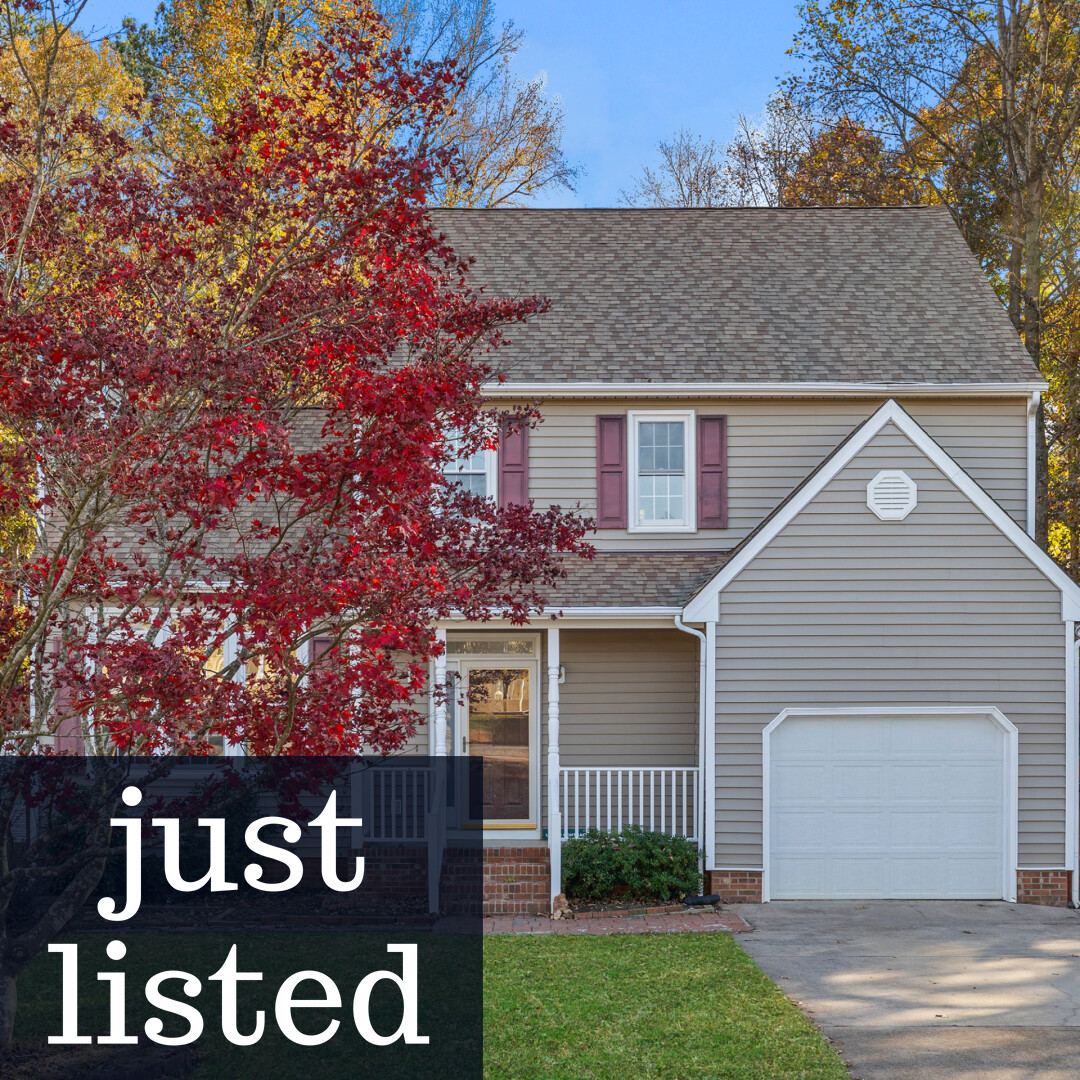
Just Listed! Check out this Don Anthony Realty 4 bed, 2.5 bath house for sale in Concord, NC in The Mills at Rocky River!
Click the link below for pictures and property details…
7362 Millstone Circle SW, Concord, NC 28025

Just Listed! Check out this Don Anthony Realty 4 bed, 2.5 bath house for sale in Concord, NC in The Mills at Rocky River!
Click the link below for pictures and property details…
7362 Millstone Circle SW, Concord, NC 28025
Filed under Just Listed
Just Listed! Check out this Don Anthony Realty 3 bed, 2 bath house for sale in Rock Hill, SC!
Click the link below for pictures and property details…
903 Annafrel Street, Rock Hill, SC 29730

Filed under Just Listed
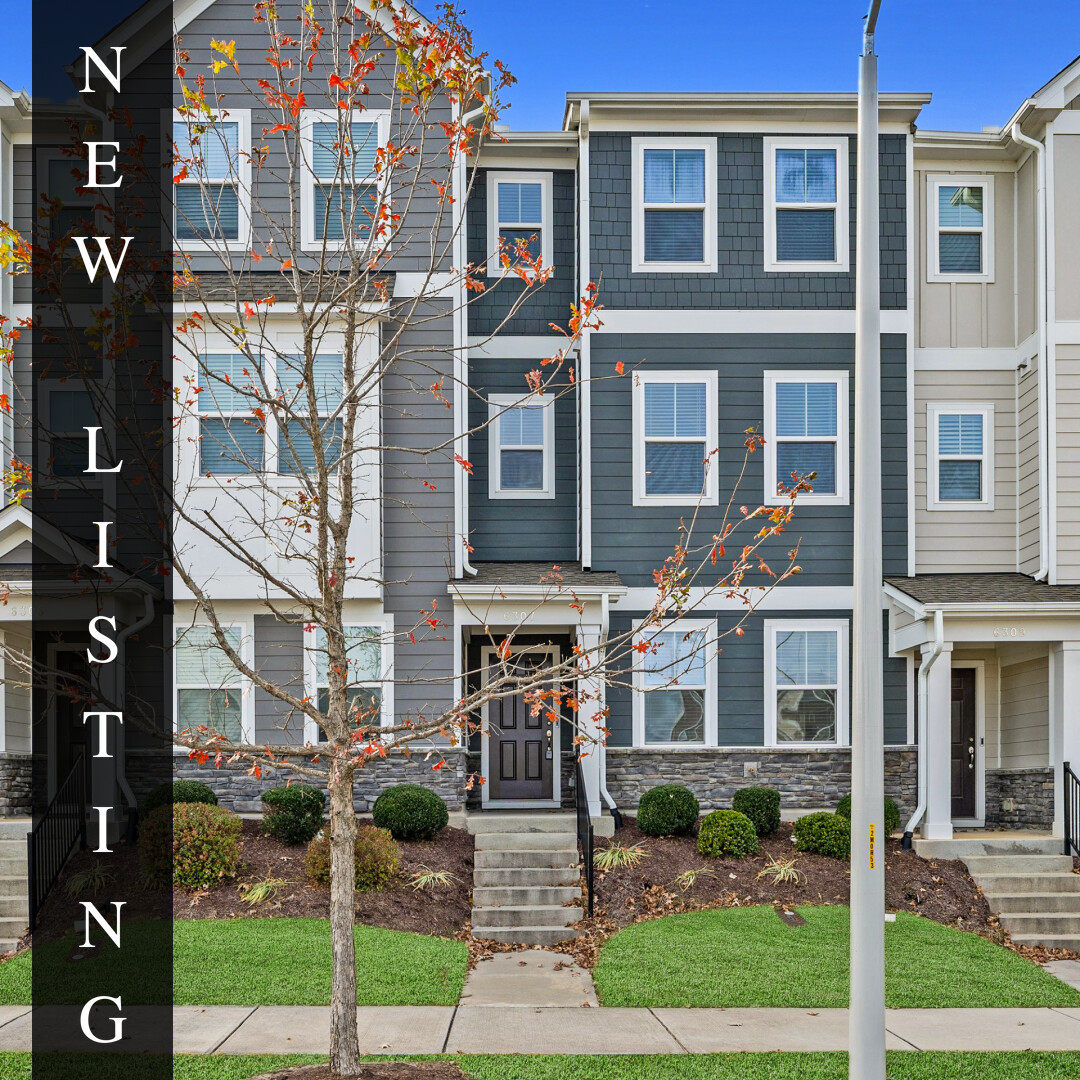
Just Listed! Check out this Don Anthony Realty 3 bed, 3.5 bath house for sale in Raleigh, NC in 5401 North!
Click the link below for pictures and property details…
6307 Perry Creek Road Raleigh, NC 27616
Filed under Just Listed
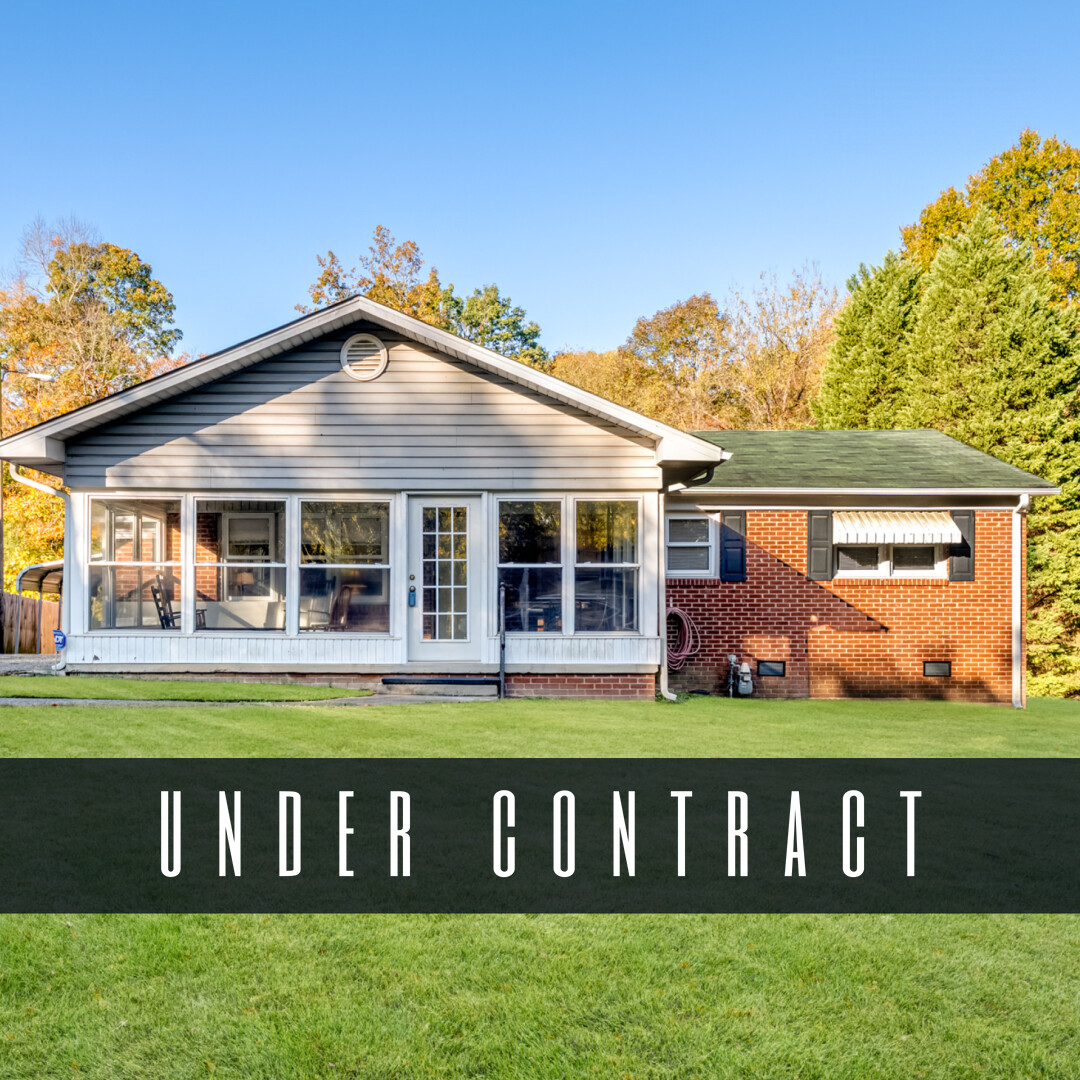
Want to sell a house in Charlotte, NC with low commission like this Don Anthony Realty client? It’s now Under Contract!
Filed under Under Contract
Want to sell a house in Durham, NC with low commission like this Don Anthony Realty client? It’s now Under Contract!

Filed under Under Contract
Here’s a review from one of our recent clients who hired us to sell a home in Charlotte NC with our low fee discount Realtor program…
“Don, thank you so much for your assistance in selling our home. Not only was it a speedy sale, but also resulted in receiving what we had hoped to net in the sale. Your team was so responsive and pleasant to work with. Your unique sales structure certainly works and your fee is so reasonable for the results. Receiving your specialized videos was definitely helpful and appreciated. I will definitely refer your agency to our friends and family, Thanks again!”
Filed under Reviews
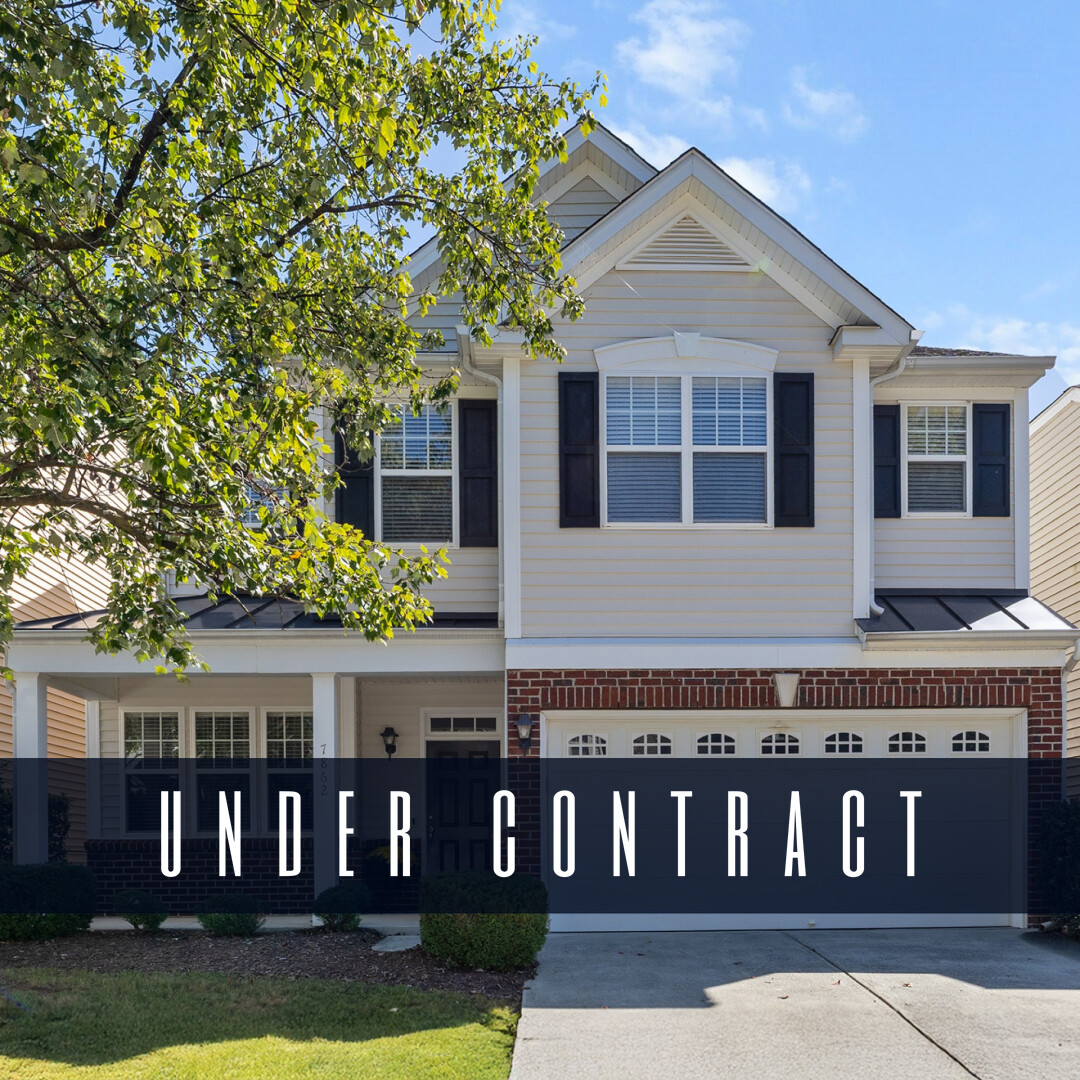
Want to sell a townhouse in Raleigh, NC with low commission like this Don Anthony Realty client? It’s now Under Contract!
Filed under Under Contract

If you’ve been sitting on the sidelines, waiting for mortgage rates to drop back below 4% before making a move, it’s time for a reality check. While we all loved the historically low rates of 2020 and 2021, those numbers were driven by extraordinary global circumstances, not typical market trends. And expecting them to return any time soon could lead to missed opportunities that may cost you far more in the long run.
During the height of the pandemic, global economic uncertainty prompted aggressive action from the Federal Reserve, which helped drive mortgage rates to record lows. In January 2021, the 30-year fixed rate bottomed out at 2.65%, the lowest in Freddie Mac’s recorded history, which dates back to 1971. But that wasn’t a normal market. It was a response to an emergency.
Looking at the big picture, the average 30-year mortgage rate over the last 60+ years has hovered around 7.74%. Even today’s rates, currently in the mid 6% range, are below that historical average. In other words, we’re not in a high-rate environment; we’re back in a normal one.
The danger in holding out for rates to drop back to those pandemic lows is that the market isn’t standing still. While you’re waiting, home values continue to rise due to ongoing appreciation, and every mortgage payment you’re not making is equity you’re not building. Between market appreciation and amortization (the reduction of loan principal with each payment), today’s buyers are building thousands of dollars in equity every year.
Let’s say home prices rise by just 5% annually, a fairly conservative estimate based on recent years. A $400,000 home could cost $420,000 or more just a year from now. That extra $20,000 increase easily outweighs any potential savings from a slightly lower mortgage rate. And if rates do dip slightly, competition will likely surge leading to bidding wars and driving prices up even more.
So, whether you’re a first-time buyer or looking to move up, the smarter question isn’t "When will rates drop?" …it’s "What will waiting cost me?"
Today’s market offers opportunities, but they won’t last forever. By acting now, you can start building equity, take advantage of current rates while they’re still below the historical norm, and avoid the risk of rising prices and tighter competition. The bottom line: Don’t let yesterday’s rates stop you from building tomorrow’s wealth.
Filed under Uncategorized
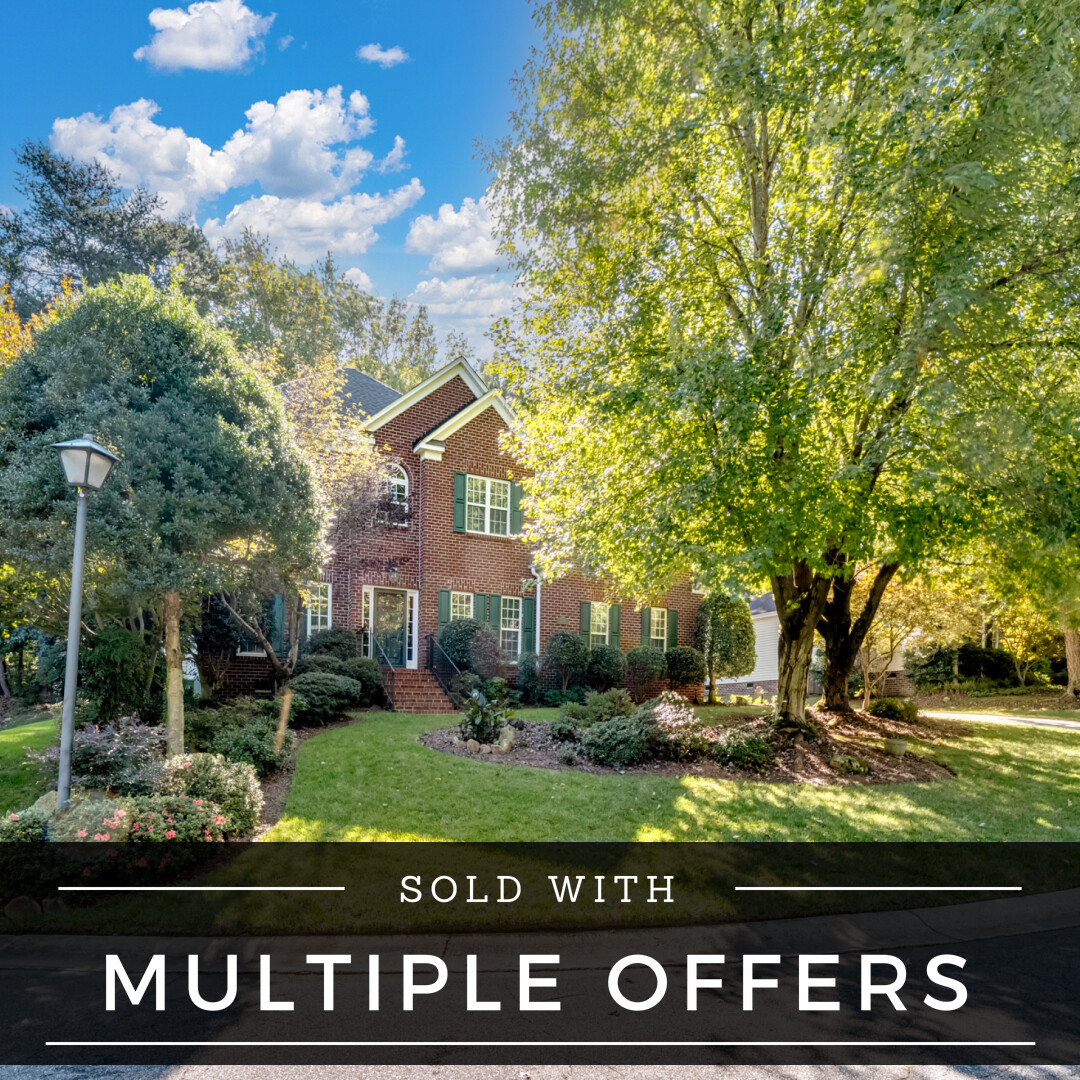
Over $9,500 MORE in their pocket!!! These sellers used Don Anthony Realty’s Discount Realtor program to sell a house in Charlotte, NC and it’s now SOLD! Congratulations to our clients!
Filed under Sold
Just Listed! Check out this Don Anthony Realty 3 bed, 2.5 bath house for sale in Apex, NC in South Pointe!
Click the link below for pictures and property details…
3645 S Pointe Drive Apex, NC 27539
Filed under Just Listed
 Don Anthony Realty