Author Archives: donanthonyrealty

Capital Gains Exclusion for Surviving Spouses

Ykg_OmzKF0SBu8Rd35Hfcg.jpg

Losing a spouse is a deeply emotional experience and the financial decisions that follow can feel overwhelming. One important area to understand during this time is how the IRS treats the sale of a primary residence after the death of a spouse. Under certain conditions, surviving spouses may qualify for a larger capital gains exclusion, up to $500,000, if the home is sold within a specific time frame.

Here’s what you need to know.

1. The $500,000 Capital Gains Exclusion: The Two-Year Rule

In general, married couples who file jointly can exclude up to $500,000 of capital gains when selling their primary residence. For surviving spouses, this higher exclusion amount can still apply, but only if the home is sold within two years of the spouse’s death.

This special provision offers some breathing room for surviving spouses, allowing them time to make thoughtful decisions without immediately losing the tax advantage.

To qualify, the following conditions must be met:

  • The home must be sold within two years after the spouse’s death.
  • The surviving spouse must not have remarried before the sale.
  • The couple must have owned and lived in the home as their primary residence for at least two of the five years prior to the date of death.
  • Neither spouse can have excluded gain from the sale of another home within the two years before the current sale.

2. Step-Up in Basis: A Hidden Tax Benefit

In addition to the potential $500,000 exclusion, surviving spouses may also benefit from a step-up in basis. This means that the cost basis of the home, the amount used to determine capital gain, may be adjusted to reflect its fair market value on the date of the spouse’s death.

This step-up can significantly reduce or even eliminate capital gains taxes on the sale of the home, especially if the property had appreciated substantially during the couple’s ownership.

See an example below

3. Selling After Two Years: What Changes?

If the home is sold more than two years after the death of a spouse, the surviving individual is generally treated as a single filer and may only exclude up to $250,000 of capital gains�half the amount allowed under the two-year rule.

While the step-up in basis may still apply, the lower exclusion amount means that timing the sale could have a major impact on potential tax liability.

Important Reminders:

  • The exclusion only applies to a primary residence; not to vacation homes, rentals, or investment properties.
  • State tax laws may differ and should also be taken into consideration.
  • Because every situation is unique, it’s wise to consult a qualified tax advisor or estate planning professional for personalized guidance.

For surviving spouses, the IRS offers valuable tax relief in the form of an extended capital gains exclusion and a possible step-up in basis. If you’re navigating these decisions after the loss of a spouse, understanding the two-year window and how the rules apply can help you maximize your financial outcomes.

Thoughtful timing and expert advice can make all the difference. For more information, contact your tax consultant. Your REALTOR� can help establish a fair market value at time of death and answer any marketing questions you may have.

Here’s a step-by-step example using your scenario to illustrate how the step-up in basis and the $500,000 exclusion work together for a surviving spouse:

Scenario:

  • Original Purchase Price: $350,000
  • Capital Improvements Over Time: $100,000
  • Adjusted Basis Before Death: $450,000
  • Fair Market Value at Date of Death: $1,150,000
  • Home Sold by Surviving Spouse Within 2 Years: Yes
  • Sale Price (assumed equal to FMV): $1,150,000

Step-by-Step Calculation:

1. Determine the Stepped-Up Basis

In most states, if the property was owned jointly and both spouses were on title, half of the property receives a step-up in basis to the fair market value at the date of death. The other half retains its original basis. (Note: in community property states, 100% of the property may receive a step-up. This example assumes a non-community property state.)

  • One-half stepped-up to FMV: � � $1,150,000 = $575,000
  • One-half retains original basis: � � $450,000 = $225,000
  • Total Adjusted Basis After Death: $575,000 + $225,000 = $800,000

2. Calculate the Capital Gain on Sale

  • Sale Price: $1,150,000
  • Adjusted Basis (after step-up): $800,000
  • Capital Gain: $1,150,000 … $800,000 = $350,000

3. Apply the Capital Gains Exclusion

Since the surviving spouse sold the home within two years, meets the ownership and use test, and has not remarried, they qualify for the $500,000 exclusion.

  • Capital Gain: $350,000
  • Exclusion: Up to $500,000
  • Taxable Gain: $0

Result: Because the $350,000 gain is fully offset by the $500,000 exclusion, no capital gains tax is owed on the sale of the home. By taking advantage of the stepped-up basis at the time of the spouse’s death, and selling within the two-year window, the surviving spouse eliminated any taxable gain.

Leave a comment

Filed under Uncategorized

Just Listed! Check out this 5 bed, 4 bath house for sale in Cornelius, NC in Bethelwood Estates!

Just Listed! Check out this 5 bed, 4 bath house for sale in Cornelius, NC in Bethelwood Estates!

Click the link below for pictures and property details…

https://matrix.canopymls.com/matrix/shared/VDRS8qlPSLd/20321BethelwoodLane

Leave a comment

Filed under Just Listed

Want to sell a house in Raleigh, NC with low commission like this Don Anthony Realty client? It’s now Under Contract!

Want to sell a house in Raleigh, NC with low commission like this Don Anthony Realty client? It’s now Under Contract!

Leave a comment

Filed under Under Contract

Over $12,000 MORE in their pocket!!! These sellers used Don Anthony Realty’s Discount Realtor program to sell a house in Stanley, NC and it’s now SOLD! Congratulations to our clients!

Over $12,000 MORE in their pocket!!! These sellers used Don Anthony Realty’s Discount Realtor program to sell a house in Stanley, NC and it’s now SOLD! Congratulations to our clients!

Leave a comment

Filed under Sold

Just Listed! Check out this Don Anthony Realty 2 bed, 1.5 bath house for sale in Benson, NC!

Just Listed! Check out this Don Anthony Realty 2 bed, 1.5 bath house for sale in Benson, NC!

Click the link below for pictures and property details…

303 W Parrish Drive Benson, NC 27504

Leave a comment

Filed under Just Listed

Just Listed! Check out this Don Anthony Realty 2 bed, 1 bath house for sale in Raleigh, NC in Winter Park!

Just Listed! Check out this Don Anthony Realty 2 bed, 1 bath house for sale in Raleigh, NC in Winter Park!

Click the link below for pictures and property details…

4317 Woodlawn Drive Raleigh, NC 27616

Leave a comment

Filed under Just Listed

Want to sell a house in Rock Hill, SC with low commission like this Don Anthony Realty client? It’s now Under Contract!
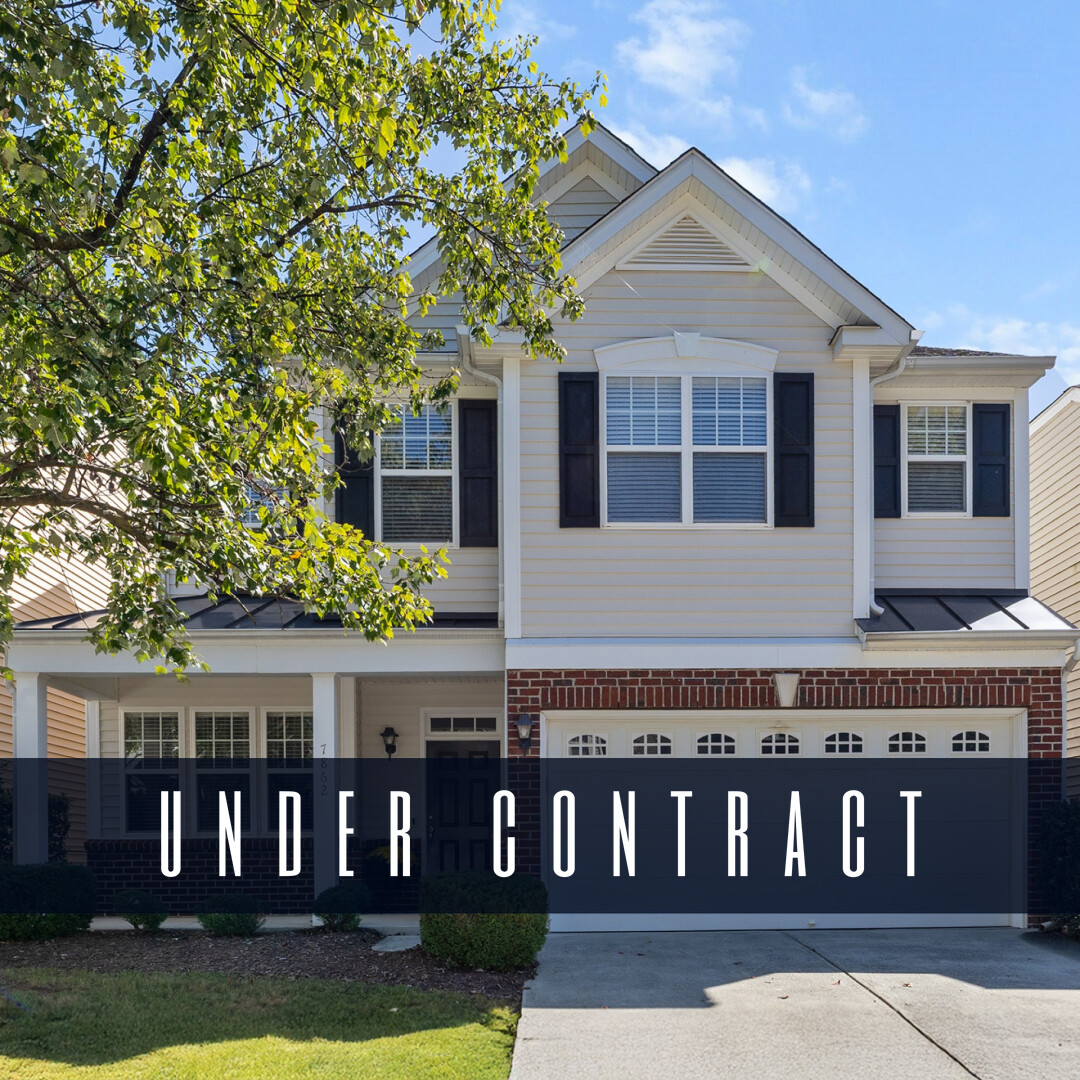
Want to sell a house in Rock Hill, SC with low commission like this Don Anthony Realty client? It’s now Under Contract!

Leave a comment

Filed under Under Contract

Over $6,000 MORE in their pocket!!!! These sellers used Don Anthony Realty’s Discount Realtor program to sell a house in Statesville, NC and it’s now SOLD! Congratulations to our clients!

Over $6,000 MORE in their pocket!!!! These sellers used Don Anthony Realty’s Discount Realtor program to sell a house in Statesville, NC and it’s now SOLD! Congratulations to our clients!

Leave a comment

Filed under Sold

Temporary Buydowns: What Happens to Unused Funds If You Sell or Refinance Early?

_20WY5JickGf8usegssF2Q.jpg

A temporary buydown is a great tool to help ease into homeownership with lower initial monthly payments, especially helpful in a high-rate environment. It allows you to enjoy reduced payments in the first one to three years of the loan, offering financial flexibility as you settle into your home.

With a buydown, the upfront cost is used to offset the difference between your actual mortgage payment (based on the full note rate) and the reduced payment you’re allowed to make under the buydown terms. That difference is funded by a lump sum, typically paid by the seller, builder, or sometimes the borrower, and held in an escrow account by the lender or servicer.

For example, in a 2-1 buydown, the lender still loans the full amount at the note rate for the entire term of the mortgage. However, for the first year, the borrower makes payments as if the rate were 2% lower, and in the second year, 1% lower. The escrow account makes up the difference between what the borrower pays and what the loan actually requires, ensuring the lender receives the full payment due.

But What If You Sell or Refinance Before the Buydown Period Ends?

Here’s the good news: If you sell or refinance the home before the buydown period is over, the unused portion of that escrow fund doesn’t disappear, it typically comes back to you.

Since the funds were set aside to reduce your mortgage payments and you’re no longer making those payments, the remaining balance in the buydown account is credited back to you at closing. It’s your money, or a seller or builder credit given on your behalf, and once it’s no longer needed for payment support, it returns to you.

It’s always wise to confirm the terms with your lender or loan servicer, but most buydown agreements include this provision.

The Bottom Line

A temporary buydown offers upfront savings and long-term flexibility. And if your plans change, whether you sell or refinance early, you won’t lose the benefit of the unused funds. It’s just another way this strategy helps you manage your mortgage more efficiently, while keeping more money in your pocket.

Leave a comment

Filed under Uncategorized

Just Listed! Check out this Don Anthony Realty .86 acre corner lot for sale in Conover, NC!

Just Listed! Check out this Don Anthony Realty .86 acre corner lot for sale in Conover, NC!

Click the link below for pictures and property details…

502 3rd Avenue NE, Conover, NC 28613

Leave a comment

Filed under Just Listed